Lighting · Shades · Sound · Automation

Everything in it does exactly what you meant it to do.

Lighting, shades, sound and screens behaving like one thing instead of nine. Specified while it can still be drawn. Programmed at the end. And looked after for as long as you own the house.

1999 A Lutron dealer since 1999 — lighting control and shading, back when almost nobody was doing either.
Third in the country One of the very first Control4 dealers anywhere. We have been automating houses for as long as there has been anything to automate.
Twenty-five years And we have never walked away from a house. Not one.

What it looks like when somebody decided

None of this happened by accident.

Every one of these rooms had someone in it, early, asking what the light should do and where the shades were going to live — while the ceiling was still a ceiling and the wall was still a drawing. That is the whole difference.

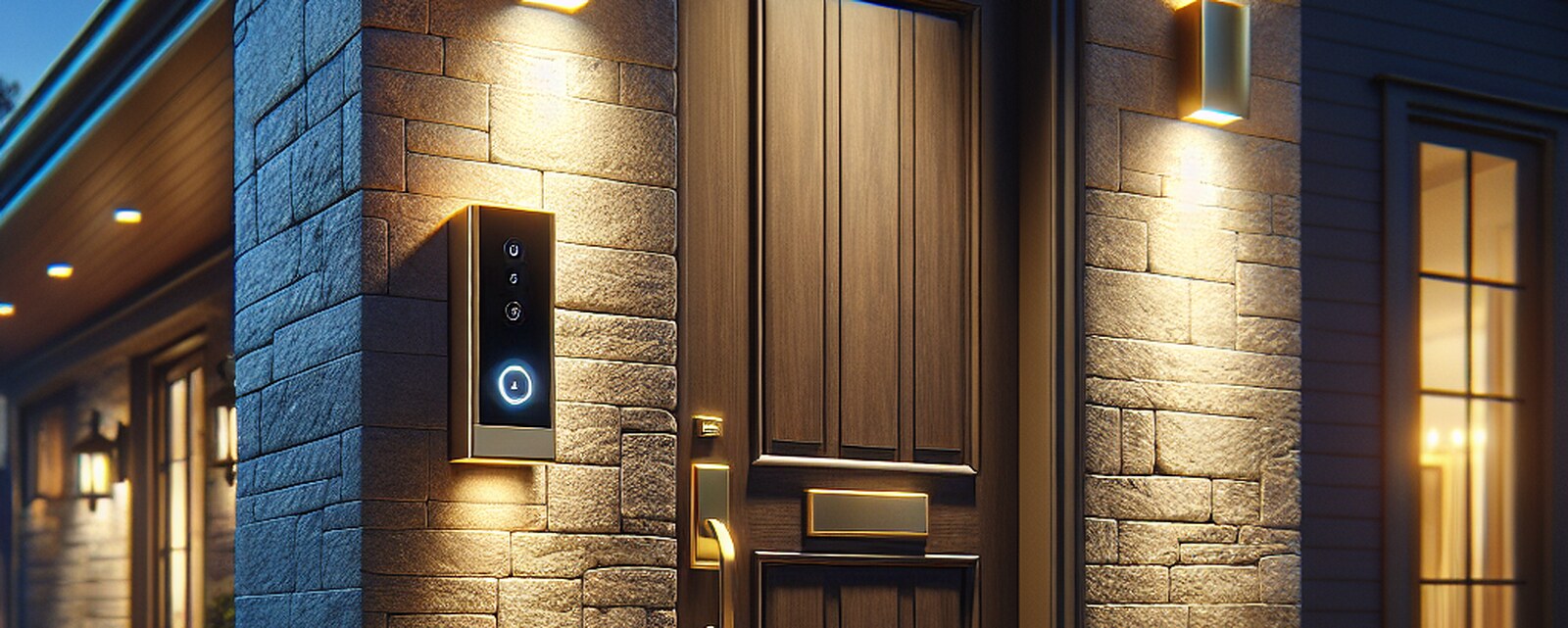
A front entrance at dusk — stone, a timber door, wall sconces washing the stone, path lights and a keypad beside the door.
It has already started before you reach the door
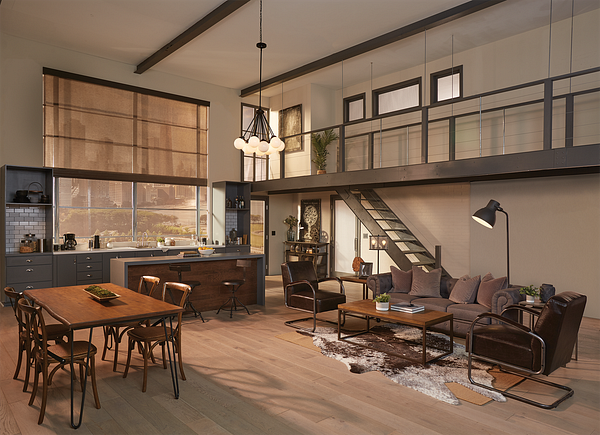
A double-height loft with a woven Roman shade over the kitchen window, pendants and a reading lamp.
One room, four different evenings
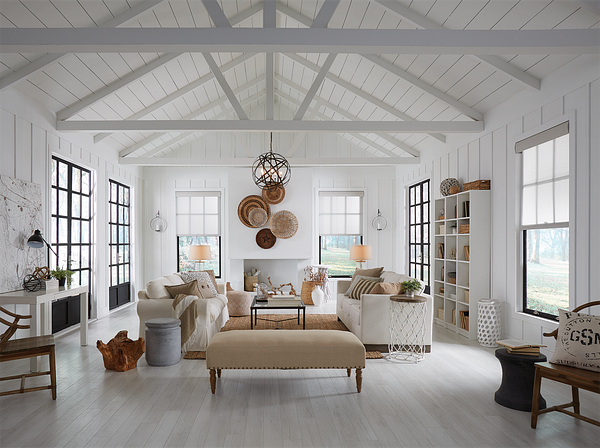
A white farmhouse living room under an open truss ceiling, with roller shades and wall sconces, no recessed downlights in sight.
Not a downlight in the room
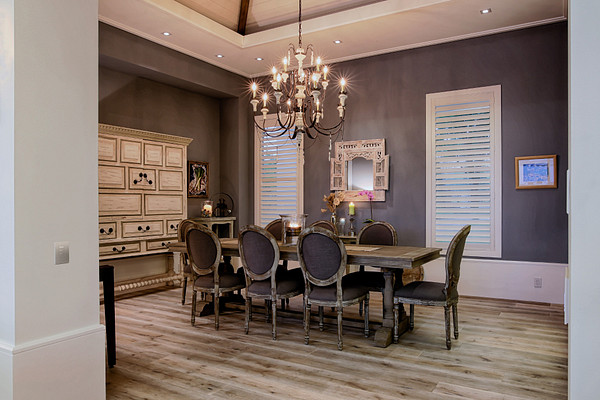
A dining room with an exposed Palladiom roller shade, its machined brackets meant to be seen.
Hardware you are meant to look at

And here is the part nobody says

None of that is about the size of the house.

Programming a fifteen-thousand-square-foot house is three to four weeks of one person's undivided attention. That is the real reason this kind of work has only ever gone to houses big enough to absorb the cost of it.

So we automated the work instead of charging more for it. The machine does the programming, the updates and the watching — which means most of what you just looked at is now something an ordinary house can have.

A three-thousand-square-foot house. Good sound in the rooms people actually sit in. Something worth watching. Lights that know what time it is. Shades that come down before the room gets hot instead of after.

That is who we built Ixome for.
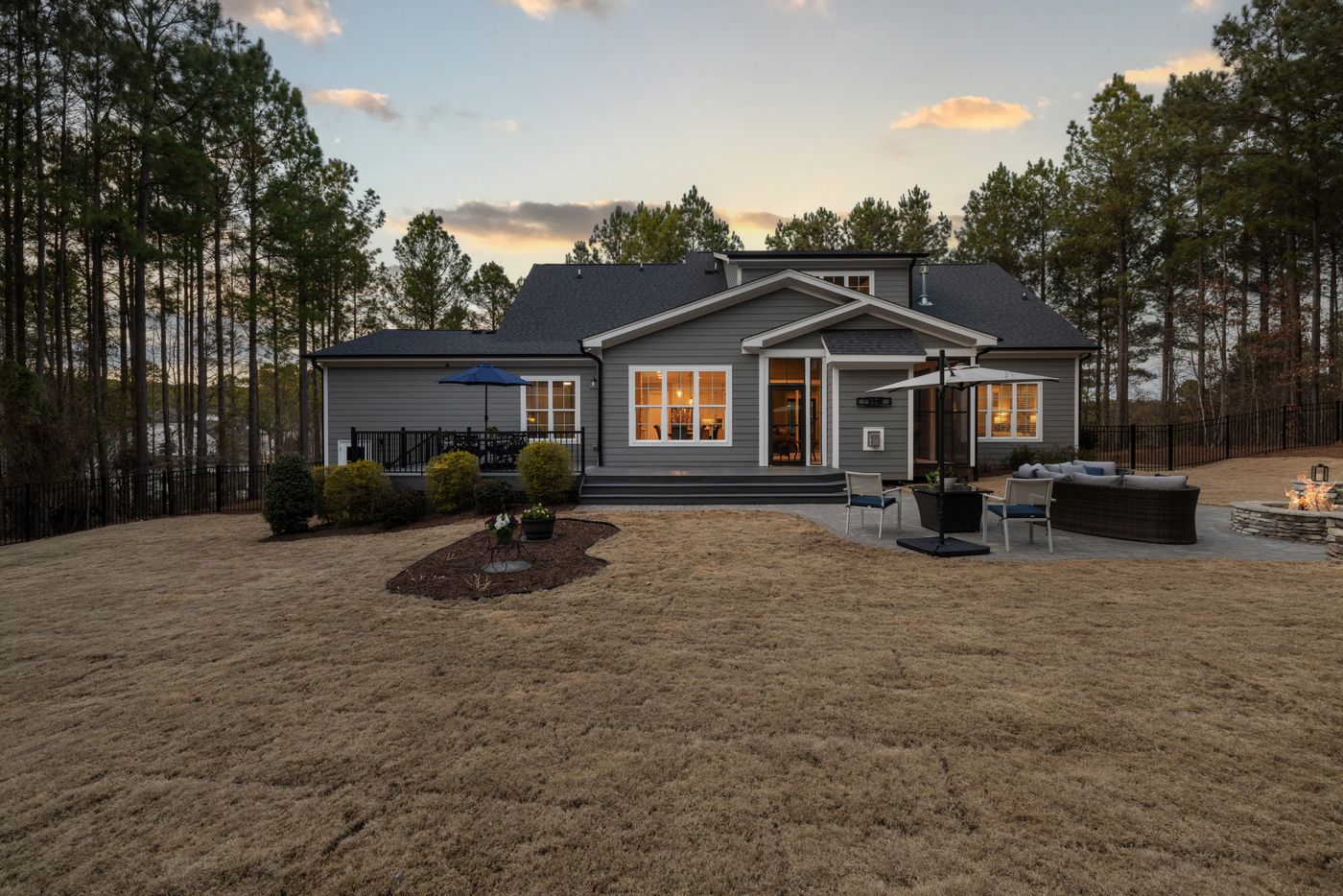
An ordinary suburban house at dusk with its exterior and interior lighting on.
Not every house needs to be a big house.

How it actually gets done

Ixome is the part that does the work.

Ixome is our own software, and it does remotely what used to take a van and a week on site: it programs Control4 systems, climbs them to current software, watches them every night, and fixes what it finds. No truck. No trip charge. No waiting for somebody to be in your area.

And if you have a system nobody looks after any more — the dealer moved on, went out of business, or simply stopped answering — that is exactly what it was built for.

Go to Ixome.ai Ixome is where the technical detail lives. This page is just us, telling you who we are.
Our whole reason for beingAnd we do not leave.

Most people in this trade finish the job and move on — and from that day the house is on its own. In twenty-five years we have never left one. We have only ever lost a client to a move or to a death, and in several of those houses we still look after the system for whoever lives there now.

If you are building or drawing one

Three of the decisions get made before anybody calls us.

The ceiling, the window headers and the wall behind the drywall are decided months before there is anything to program. Once they are decided they are expensive to change and eventually impossible. So we wrote down what each trade needs to know.